
Roof extensions and loft conversions are among the most valuable home improvement projects in the UK. With rising property prices and limited housing availability, many homeowners choose to expand upwards rather than move. A properly designed roof extension or loft conversion can significantly increase living space and property value.
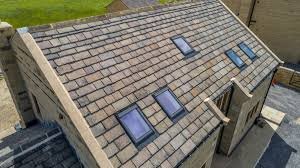
However, roofing plays a critical role in whether a project succeeds or fails. Structural integrity, insulation, planning rules, and material selection all must be carefully considered.
Why Roof Extensions Are Popular in the UK
The UK housing market has made extensions more attractive than relocation.
Key reasons include:
- High property prices in cities like London, Manchester, and Bristol
- Limited availability of larger homes
- Stamp duty and moving costs
- Desire to increase property value
- Need for home office or extra bedrooms
A well-executed roof extension can increase property value by 15%–25% in many UK areas.
Types of Roof Extensions in the UK
1. Dormer Loft Conversion
Dormer extensions are the most common type in UK homes.
They involve extending vertically from a sloped roof to create more usable space.
Advantages:
- Maximises headroom
- Increases natural light
- Cost-effective compared to full rebuild
- Suitable for most UK semi-detached homes
Best for:
- Bedrooms
- Home offices
- Bathrooms
Dormers are widely accepted in UK planning systems, making them a practical choice.
2. Hip-to-Gable Conversion
This involves changing a sloped “hipped” roof into a vertical gable wall.
Advantages:
- Significant increase in interior space
- Improved roof usability
- Modern architectural appearance
Best for:
- End-of-terrace houses
- Semi-detached properties
This type of conversion is especially popular in suburban UK housing.
3. Mansard Roof Conversion
Mansard conversions involve replacing the entire roof slope with a steeper structure.
Advantages:
- Maximum internal space
- Ideal for multi-room conversions
- Strong architectural appeal
Disadvantages:
- Expensive
- Requires planning permission
- Longer construction time
Mansard roofs are often used in urban UK properties where space is limited.
4. Roof Lift (Full Roof Raise)
This involves raising the entire roof height of a property.
Advantages:
- Creates full additional storey
- Maximum space gain
- High property value increase
Disadvantages:
- Very expensive
- Requires major structural work
- Full planning permission required
Structural Requirements for Roof Conversions
Roof conversions must comply with UK building regulations.
Key structural considerations include:
- Load-bearing capacity of existing walls
- Roof truss modifications
- Floor reinforcement
- Staircase integration
- Fire safety compliance
Structural engineers are often required for approval.
Roofing Materials for Extensions
Choosing the right roofing material is essential for matching existing property aesthetics.
Common materials include:
- Clay tiles (traditional UK homes)
- Concrete tiles (modern housing estates)
- Slate (high-end properties)
- Synthetic tiles (lightweight extensions)
Material matching ensures visual consistency and planning approval success.
Insulation Requirements in Loft Conversions
UK building regulations require high levels of insulation in converted roof spaces.
Key insulation types:
- Rigid board insulation
- Mineral wool insulation
- Multi-layer thermal systems
- Spray foam (in specific applications)
Proper insulation improves:
- Energy efficiency
- Comfort levels
- Property EPC rating
Planning Permission Rules in the UK
Not all roof extensions require planning permission.
Permitted development applies when:
- Extension does not exceed height limits
- Materials match existing house
- No major structural footprint change
Planning permission is required when:
- Roof height is significantly altered
- Property is in conservation area
- Structural changes affect external appearance
Always check local UK council regulations before starting work.
Cost of Roof Extensions in the UK
Typical cost ranges:
- Dormer loft conversion: £25,000 – £60,000
- Hip-to-gable conversion: £40,000 – £80,000
- Mansard conversion: £60,000 – £120,000
- Full roof lift: £80,000 – £150,000+
Costs vary based on location, materials, and complexity.
Common Mistakes in Roof Extensions
UK homeowners often make avoidable mistakes:
- Underestimating structural requirements
- Ignoring insulation regulations
- Poor staircase planning
- Choosing cheap materials that don’t match property
- Not hiring qualified engineers
These mistakes often lead to delays and increased costs.
Final Thoughts
Roof extensions are one of the most effective ways to increase space and property value in the UK. However, success depends on proper planning, compliance with regulations, and high-quality roofing work.
When done correctly, a roof extension can transform a home both functionally and financially.