
Roofing in the UK is evolving rapidly due to changes in climate expectations, energy efficiency regulations, and modern architectural styles. In 2026, roofing is no longer just about protection—it is about sustainability, smart technology, and long-term performance.
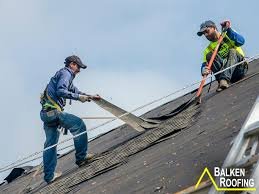
This article explores the most important roofing trends shaping UK homes today.
1. Sustainable Roofing Materials
Sustainability has become a major focus in UK construction.
Popular eco-friendly materials:
- Recycled metal roofing
- Synthetic slate made from recycled polymers
- Clay tiles with reduced carbon manufacturing
- Green roofing systems
Benefits:
- Lower environmental impact
- Improved insulation
- Reduced waste in construction
- Longer material lifecycle
Sustainable roofing is increasingly supported by UK building regulations.
2. Green Roof Systems
Green roofs are becoming more popular in urban UK areas.
These involve growing vegetation on roof surfaces.
Advantages:
- Improved insulation
- Reduced rainwater runoff
- Enhanced biodiversity
- Urban heat reduction
Best suited for:
- Flat roofs
- Commercial buildings
- Modern residential extensions
Green roofs also improve air quality and environmental performance.
3. Solar Roofing Integration
Solar technology is increasingly integrated into UK roofing systems.
Types include:
- Solar panels mounted on roofs
- Solar roof tiles (integrated systems)
Benefits:
- Reduced electricity bills
- Government incentives (in some cases)
- Increased property value
- Lower carbon footprint
The UK government’s focus on renewable energy continues to drive adoption.
4. Smart Roofing Technology
Smart roofing systems use sensors and monitoring technology.
Features:
- Leak detection sensors
- Moisture monitoring systems
- Temperature regulation tracking
- Structural movement detection
Benefits:
- Early warning of roof issues
- Reduced repair costs
- Improved maintenance planning
Smart roofing is still emerging but growing in UK premium housing markets.
5. Lightweight Roofing Systems
Modern construction increasingly favours lightweight materials.
Benefits:
- Easier installation
- Reduced structural load
- Faster construction times
- Ideal for extensions and renovations
Synthetic materials and metal roofing are leading this trend.
6. Energy-Efficient Roofing Design
Energy efficiency is now a core requirement in UK building regulations.
Key improvements include:
- High-performance insulation
- Reflective roofing coatings
- Improved ventilation systems
- Airtight sealing techniques
These upgrades help reduce household energy consumption significantly.
7. Minimalist Roofing Aesthetics
Modern UK architecture is shifting toward clean, simple roof designs.
Characteristics:
- Flat or low-slope roofs
- Hidden gutter systems
- Smooth rooflines
- Neutral colour palettes
This trend is especially popular in new-build developments.
8. Increased Focus on Roof Longevity
Homeowners are prioritising long-term value over short-term savings.
Trends include:
- Higher quality materials
- Longer warranties
- Professional installation standards
- Reduced maintenance systems
Durability is becoming more important than initial cost.
9. Weather-Resistant Roofing Innovation
With UK weather becoming more unpredictable, roofing systems are evolving.
Innovations include:
- Improved waterproof membranes
- Wind-resistant tile locking systems
- Frost-resistant materials
- Enhanced drainage designs
These improvements reduce storm-related damage.
10. Modular Roofing Systems
Modular roofing is a growing trend in UK construction.
Advantages:
- Faster installation
- Factory-controlled quality
- Reduced on-site labour
- Predictable costs
Modular systems are particularly popular in new housing developments.
Final Thoughts
The UK roofing industry is undergoing major transformation in 2026. Sustainability, energy efficiency, and smart technology are shaping the future of roof remodeling.
Homeowners who invest in modern roofing systems benefit from:
- Lower energy bills
- Higher property value
- Reduced maintenance
- Better environmental performance
Roofing is no longer just structural—it is a long-term investment in efficiency, sustainability, and comfort.