
When planning a roof remodel in the UK, one of the most important decisions homeowners face is choosing between a flat roof and a pitched roof. Both designs have advantages and disadvantages depending on climate, property style, budget, and long-term maintenance expectations.
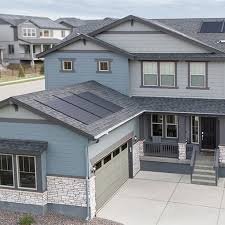
Understanding the differences is essential before committing to a major roofing investment.
Overview of Flat Roofs in the UK
Flat roofs are commonly found on extensions, garages, commercial buildings, and modern-style homes. Despite the name, they are not completely flat but have a slight gradient for water drainage.
Advantages of Flat Roofs
1. Lower Installation Cost
Flat roofs are generally cheaper to install compared to pitched roofs due to reduced material usage and simpler structure.
2. Faster Construction Time
Less labour-intensive, making them ideal for extensions and quick remodels.
3. Space Efficiency
Flat roofs can be used for:
- Roof terraces
- Solar panel installations
- Green roofs (eco-friendly gardens)
- HVAC system placement
4. Modern Aesthetic Appeal
Popular in contemporary UK architecture.
Disadvantages of Flat Roofs
1. Drainage Issues
The UK’s heavy rainfall can cause ponding if drainage is not properly designed.
2. Shorter Lifespan
Typically lasts 15–30 years depending on materials.
3. Higher Maintenance
Requires regular inspection for cracks, leaks, and water pooling.
4. Weather Sensitivity
More vulnerable to extreme cold and heavy rain conditions.
Overview of Pitched Roofs in the UK
Pitched roofs are the traditional roofing style in the UK, especially in residential housing.
They feature sloped surfaces that naturally direct rainwater and snow away from the structure.
Advantages of Pitched Roofs
1. Excellent Weather Resistance
Ideal for UK climate due to efficient water drainage.
2. Long Lifespan
Can last 50–100+ years depending on materials used.
3. Better Insulation
Easier to retain heat, improving energy efficiency.
4. Lower Long-Term Maintenance
Less prone to leaks and water pooling issues.
5. Increased Property Value
Highly desirable in UK housing markets.
Disadvantages of Pitched Roofs
1. Higher Installation Cost
More materials and labour required.
2. Longer Construction Time
Structural complexity increases build duration.
3. Less Usable Roof Space
Compared to flat roofs, less practical surface area.
Cost Comparison in the UK
Flat Roof Costs:
- £3,000 – £10,000 (average residential projects)
Pitched Roof Costs:
- £7,000 – £25,000+ depending on size and material
While flat roofs are cheaper initially, pitched roofs often provide better long-term value.
Durability and Maintenance Comparison
Flat Roofs:
- Require frequent inspections
- More prone to leaks
- Shorter lifespan
Pitched Roofs:
- Minimal maintenance
- Strong resistance to UK weather
- Longer durability
Energy Efficiency Comparison
Energy performance is increasingly important in UK housing.
Pitched roofs generally outperform flat roofs due to:
- Better insulation space
- Improved ventilation
- Reduced heat loss
However, flat roofs can be upgraded with modern insulation systems to improve efficiency.
Aesthetic and Property Value Impact
In the UK property market:
- Pitched roofs are preferred for traditional homes
- Flat roofs are preferred for modern extensions and contemporary designs
For resale value, pitched roofs often provide a stronger return on investment.
Best Use Cases
Flat Roofs are best for:
- Extensions
- Garages
- Modern architectural homes
- Budget-conscious projects
Pitched Roofs are best for:
- Family homes
- Long-term investments
- Rural or suburban properties
- High-value housing markets
Final Recommendation
Choosing between a flat and pitched roof depends on your goals:
- If you want lower upfront cost and modern design flexibility, a flat roof may be suitable.
- If you want durability, energy efficiency, and long-term value, a pitched roof is the better choice in the UK climate.
For most homeowners in the UK, pitched roofs remain the most reliable and cost-effective long-term solution, especially in regions with heavy rainfall and cold winters.