
Choosing the right roofing material in the UK is one of the most important decisions a homeowner can make during a roof remodel. The British climate is known for being unpredictable, with frequent rainfall, strong winds, frost, and seasonal temperature fluctuations. Because of this, roofing materials must be selected not only for appearance and cost but for long-term performance under harsh environmental conditions.
This guide explores the best roofing materials for UK weather conditions, comparing durability, cost, maintenance, and suitability for different property types.
Why UK Weather Demands Special Roofing Materials
Unlike many other regions, the UK presents a combination of weather challenges that directly affect roof performance:
- Heavy and persistent rainfall throughout the year
- Freeze-thaw cycles during winter months
- High humidity encouraging moss and algae growth
- Strong coastal winds in exposed areas
- Occasional heatwaves increasing thermal expansion stress
These factors mean that roofing materials must be water-resistant, thermally stable, and structurally strong.
1. Slate Roofing: The Premium UK Standard
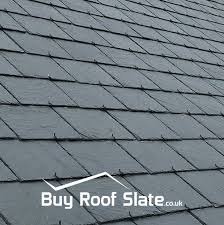
Slate is widely regarded as the highest-quality roofing material in the UK and has been used for centuries in British architecture.
Advantages of Slate
- Extremely long lifespan (75–150 years)
- Highly resistant to rain penetration
- Excellent frost resistance
- Low maintenance requirements
- Classic, high-end appearance
Disadvantages of Slate
- High installation cost
- Heavy material requiring strong roof structure
- Skilled labour required for installation
Best Use Cases
Slate is ideal for:
- Heritage homes
- High-value properties
- Long-term investment housing
- Rural and traditional UK architecture
Slate performs exceptionally well in wet and cold climates, making it one of the most reliable roofing options in the UK.
2. Clay Tiles: Traditional British Roofing
Clay tiles are one of the most iconic roofing materials in the UK, especially in southern England.
Advantages of Clay Tiles
- Strong resistance to rain and frost
- Long lifespan (50–100 years)
- Traditional aesthetic appeal
- Good thermal performance
Disadvantages of Clay Tiles
- Can be brittle under impact
- Heavier than some alternatives
- Slightly higher cost than concrete tiles
Best Use Cases
- Suburban homes
- Period-style properties
- Conservation areas requiring traditional materials
Clay tiles balance durability and appearance, making them a popular choice across the UK.
3. Concrete Roof Tiles: Cost-Effective and Durable
Concrete tiles are widely used in modern UK housing developments due to their affordability and versatility.
Advantages of Concrete Tiles
- Lower cost compared to slate and clay
- Durable in wet conditions
- Available in various styles and colours
- Good fire resistance
Disadvantages of Concrete Tiles
- Heavier load on roof structure
- Slightly shorter lifespan (30–60 years)
- Can absorb moisture over time
Best Use Cases
- New build homes
- Budget-conscious renovations
- Large housing developments
Concrete tiles are a practical solution for homeowners seeking affordability without sacrificing durability.
4. Metal Roofing Systems: Modern UK Alternative
Metal roofing has become increasingly popular in modern UK architecture, particularly for contemporary homes and extensions.
Advantages of Metal Roofing
- Lightweight compared to tile systems
- Excellent wind resistance
- Highly durable (40–70 years)
- Reflects heat in summer
- Low maintenance requirements
Disadvantages of Metal Roofing
- Can be noisy during rainfall without insulation
- Higher upfront cost
- Requires proper anti-corrosion treatment
Best Use Cases
- Modern homes
- Extensions and renovations
- Eco-friendly and energy-efficient properties
Metal roofing is especially useful in areas exposed to strong winds or coastal conditions.
5. Synthetic Roofing Materials: Modern Innovation
Synthetic roofing materials are designed to replicate natural slate or tile while offering improved performance.
Advantages of Synthetic Roofing
- Lightweight and easy to install
- Resistant to moss and algae growth
- Lower installation cost than natural slate
- Consistent appearance and quality
Disadvantages of Synthetic Roofing
- Shorter lifespan compared to natural materials
- May not suit traditional UK homes
- Varies in quality depending on manufacturer
Best Use Cases
- Modern housing projects
- Budget renovations
- Extensions requiring lightweight roofing
Climate-Based Recommendations for the UK
Different regions in the UK require different roofing considerations:
Northern UK (Scotland, Northern England)
- Best materials: Slate, metal roofing
- Focus: insulation and snow resistance
Southern UK (London, South East)
- Best materials: Clay tiles, concrete tiles
- Focus: aesthetic and thermal balance
Coastal Areas
- Best materials: Metal or synthetic roofing
- Focus: corrosion resistance and wind durability
Energy Efficiency Considerations
Modern UK building regulations strongly emphasize energy efficiency. Roofing plays a critical role in reducing heat loss.
Key factors include:
- Insulation thickness and quality
- Ventilation systems
- Thermal resistance (U-values)
- Reflective roofing surfaces
A well-insulated roof can reduce heating costs by up to 25% annually.
Maintenance Comparison
- Slate: Very low maintenance
- Clay tiles: occasional repairs
- Concrete tiles: moderate maintenance
- Metal roofing: low maintenance
- Synthetic materials: low to moderate maintenance
Final Recommendation
For UK homeowners, there is no single “perfect” roofing material. The best choice depends on budget, property style, and regional climate conditions.
However:
- Slate remains the most durable and premium option
- Clay tiles offer the best balance of tradition and performance
- Concrete tiles provide affordability and practicality
- Metal roofing offers modern efficiency and strength
- Synthetic materials provide flexible budget-friendly solutions
Selecting the right material ensures long-term protection, reduced maintenance costs, and improved property value.