
Selecting the right roofing material is one of the most important decisions for any UK homeowner planning a roof remodel. The UK climate presents unique challenges, including frequent rainfall, frost, wind exposure, and seasonal temperature shifts. The wrong material can lead to leaks, energy loss, and expensive repairs.
Why Material Choice Matters in the UK
Roofing materials in the UK must perform under constant moisture and temperature variation. Unlike warmer countries, British roofs face:
- Persistent damp conditions
- Freeze-thaw cycles in winter
- Strong coastal winds in exposed regions
- Moss and algae growth due to humidity
Choosing the correct material ensures durability, insulation efficiency, and reduced maintenance costs.
Most Reliable Roofing Materials in the UK
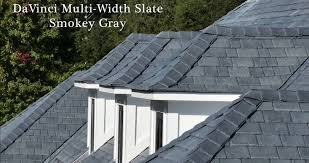
Slate Roofing
Slate remains one of the most trusted materials in British architecture.
Advantages:
- Extremely long lifespan (75–150 years)
- Highly resistant to water absorption
- Excellent performance in cold climates
Disadvantages:
- High installation cost
- Requires skilled labour
- Heavy weight may require structural reinforcement
Slate is ideal for heritage homes and premium renovations.
Clay Tiles
Clay tiles are widely used in England and Wales.
Advantages:
- Traditional British aesthetic
- Good thermal performance
- Resistant to frost damage
Disadvantages:
- Can crack under heavy impact
- Moderate weight
Clay tiles are commonly seen in suburban housing developments.
Concrete Tiles
Concrete tiles are a cost-effective alternative.
Advantages:
- Affordable compared to slate and clay
- Durable in wet weather
- Available in multiple styles
Disadvantages:
- Heavier than other materials
- May require stronger roof structure
This is a popular choice for modern UK housing estates.
Metal Roofing
Metal roofing systems are growing in popularity across the UK.
Advantages:
- Lightweight and strong
- Excellent wind resistance
- Reflects heat in summer
- Low maintenance
Disadvantages:
- Can be noisy during heavy rain
- Requires proper insulation layers
Metal roofs are often used in contemporary architectural designs.
Synthetic Roofing Materials
Modern synthetic materials are designed to replicate natural products.
Advantages:
- Lightweight
- Cost-effective
- Resistant to moss and algae
- Easy installation
Disadvantages:
- Shorter lifespan than natural slate
- Less traditional appearance
Climate-Based Material Selection in the UK
Different UK regions require different roofing considerations:
Northern England & Scotland
Focus on insulation and snow resistance. Slate and metal roofs perform best.
Southern England
Milder climate allows more flexibility, including clay and concrete tiles.
Coastal Areas
Corrosion-resistant materials like treated metal or synthetic composites are recommended.
Energy Efficiency and Roofing
Modern UK building regulations emphasise energy efficiency. Roofing plays a major role in this.
Key considerations include:
- Thermal insulation layers
- Ventilation systems
- Reflective coatings
- Airtight installation
A well-insulated roof can significantly reduce heating bills during winter months.
Maintenance Requirements
Different materials require different levels of maintenance:
- Slate: Very low maintenance
- Clay: Occasional tile replacement
- Concrete: Medium maintenance
- Metal: Low maintenance but periodic inspection
- Synthetic: Low to medium depending on quality
Cost vs Long-Term Value
While cheaper materials may reduce upfront costs, long-term performance is more important. In the UK, investing in higher-quality roofing often results in:
- Fewer repairs
- Better insulation
- Higher property value
- Longer lifespan
Final Recommendation
For UK homeowners, there is no single “best” roofing material. The right choice depends on budget, property style, and regional weather conditions. However, slate and high-quality clay tiles remain the most reliable long-term solutions, while metal and synthetic materials offer modern alternatives with efficiency benefits.