
Roof remodeling is one of the most significant home improvement investments in the UK, and understanding the cost structure is essential before starting any project. In 2026, roofing costs have been influenced by material price inflation, labour shortages in construction, and stricter building regulations focused on energy efficiency.
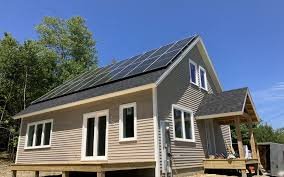
Whether you are upgrading an old roof, changing its structure, or improving insulation, knowing what drives the price helps you avoid overspending and make informed decisions.
Average Roof Remodeling Costs in the UK (2026)
The cost of roof remodeling varies widely depending on property size, materials, and complexity.
Typical UK price ranges:
- Small terrace house: £5,000 – £10,000
- Semi-detached house: £8,000 – £18,000
- Detached house: £15,000 – £40,000+
- Complex structural remodels: £25,000 – £60,000+
These figures include labour, materials, scaffolding, and basic disposal but may not include planning permission or architectural design fees.
Key Factors That Affect Roof Remodeling Costs
1. Roof Size and Complexity
The larger and more complex the roof, the higher the cost. Simple pitched roofs are significantly cheaper to remodel than multi-level or irregular roof structures.
Complexity increases costs due to:
- Additional labour hours
- More scaffolding requirements
- Increased material waste
- Structural engineering requirements
2. Choice of Roofing Material
Material selection is one of the biggest cost drivers in the UK.
- Slate roofing: High cost but long lifespan
- Clay tiles: Mid-to-high cost with traditional appeal
- Concrete tiles: Affordable and widely used
- Metal roofing: Medium to high depending on system quality
- Synthetic materials: Lower upfront cost but variable longevity
Premium materials can increase total project cost by 30%–70%.
3. Structural Changes
If your roof remodel involves structural modifications, costs increase significantly.
Examples include:
- Converting flat roofs into pitched roofs
- Raising roof height for loft conversion
- Reinforcing old timber frameworks
- Adding dormer windows or skylights
Structural engineering assessments may also be required, adding professional fees.
4. Labour Costs in the UK
Labour is a major component of roofing expenses. In 2026, UK roofing labour rates have increased due to demand and shortage of skilled workers.
Typical labour costs:
- General roofing labour: £150 – £250 per day
- Specialist roofing contractors: £250 – £400 per day
- Structural engineers: £500 – £1,500 per project
London and South East England typically have higher rates than northern regions.
5. Scaffolding and Safety Requirements
Scaffolding is essential for most roofing projects in the UK.
Costs include:
- Small house: £600 – £1,200
- Medium house: £1,200 – £2,500
- Large property: £2,500 – £5,000
Additional safety compliance measures may increase costs for complex projects.
6. Insulation Upgrades
Modern UK building regulations strongly encourage energy-efficient roofing systems.
Insulation costs:
- Basic insulation upgrade: £500 – £2,000
- Full roof insulation replacement: £2,000 – £5,000+
- High-performance thermal systems: £5,000 – £10,000
Although this increases upfront costs, it reduces long-term heating bills significantly.
7. Planning Permission and Regulations
Not all roof remodels require planning permission, but many do.
Costs may include:
- Planning application fee: £200 – £500
- Architectural drawings: £500 – £2,000
- Building regulation approval: £500 – £1,500
Failure to comply can lead to enforcement action and expensive corrections.
Hidden Costs Homeowners Often Miss
Many UK homeowners underestimate additional costs such as:
- Waste removal and skip hire (£300 – £800)
- Unexpected timber repairs (£500 – £3,000)
- Waterproofing upgrades (£500 – £2,000)
- Gutter replacement (£400 – £1,500)
- Emergency weather delays
These can add 10%–25% to the total project budget.
Cost-Saving Strategies
Homeowners can reduce roofing costs by:
- Choosing mid-range materials instead of premium slate
- Scheduling work during off-peak seasons
- Getting multiple contractor quotes
- Combining roof work with insulation upgrades
- Avoiding unnecessary structural changes
However, cutting costs on labour or materials often leads to higher long-term maintenance expenses.
Is Roof Remodeling Worth the Cost?
Despite high upfront investment, roof remodeling offers strong financial and practical benefits:
- Increased property value (up to 15%–25%)
- Lower energy bills
- Reduced maintenance costs
- Improved weather resistance
- Better home insulation and comfort
In the UK housing market, a modern, energy-efficient roof is often a strong selling point.
Final Thoughts
Roof remodeling in the UK is a major investment, but it is also one of the most valuable home improvements available. Costs vary significantly based on materials, design complexity, and labour, but careful planning can help homeowners control expenses while achieving long-term durability and efficiency.